
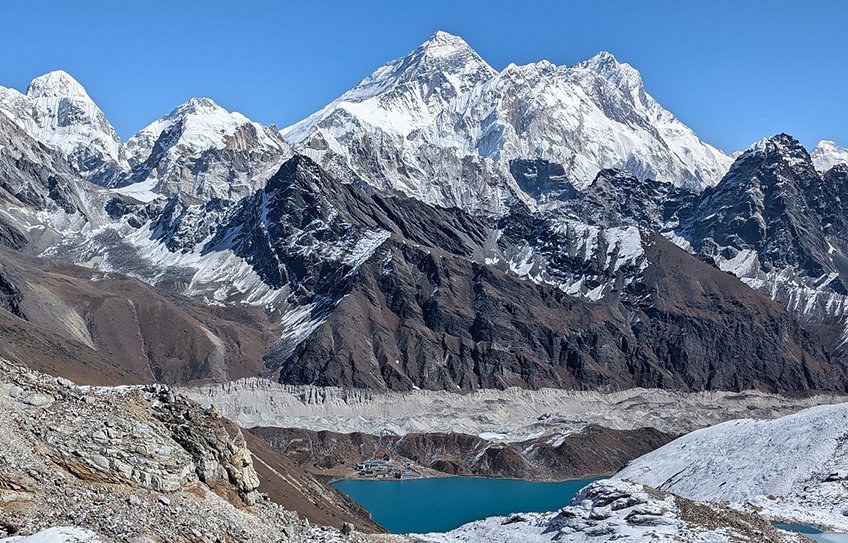
Everest Region Trekking – Complete Guide
The Everest region of Nepal is the most famous place in the world for trekking, hiking, and mountaineering. It has a lot more than just the famous Everest Base Camp trail. The Everest (Khumbu) region has the best mountain scenery, a rich Sherpa culture, and a well-established trekking infrastructure. There are classic routes for first-time trekkers and challenging high-pass expeditions for experienced adventurers.
Himalaya Darshan Treks specialize in making personalized trekking trips in the Everest region, such as the Everest Base Camp, Gokyo Lakes, and the Three Passes Trek, which is the best way to see the Himalayas safely, comfortably, and in a way that will stay with you forever.
A look at the Everest (Khumbu) Region
Mount Everest (8,848.86 m) is in the Khumbu Region, which is in northeastern Nepal. Sagarmatha National Park protects the area, which is known for its stunning Himalayan beauty, deep valleys, glaciers, and strong Sherpa culture.
Most treks in the area start with a flight from Kathmandu to Lukla and then follow well-marked paths that are supported by teahouses. This makes the area easy to get to while still providing harsh alpine conditions.
Why should you go trekking in the Everest area?
The Everest region trekking goes through Sagarmatha National Park, which is listed on the UNESCO sites. It’s well-known for Mount Everest, the majestic Himalayan peaks, old monasteries, and traditional Sherpa communities. The paths are well-kept, the teahouses are comfortable, and the local guides are experienced, so trekking here is both easy and rewarding.
Here are some of the best aspects about hiking in the Everest area:
- Incredible views of Everest, Cho Oyu, Makalu, Ama Dablam, Lhotse, and Nuptse
- The real culture of the Sherpas and the history of Buddhism
- Lakes, glaciers, and views from high up that go on forever
- Many diverse hiking pathways for hikers of various skill levels
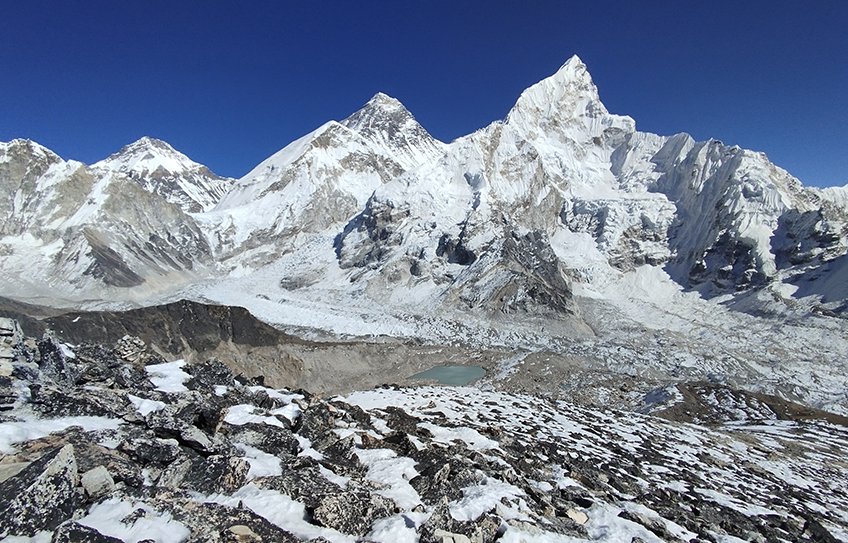
The Three Best Trekking Routes in the Everest Region
-
Trek to Base Camp on Everest
The trek to Everest Base Camp is Nepal’s most popular trekking route and a great way to get started with trekking at high altitudes.
Good for: People who are going on their first trek or adventure trip
Length: 12 to 14 days
Difficulty Level: Moderate.
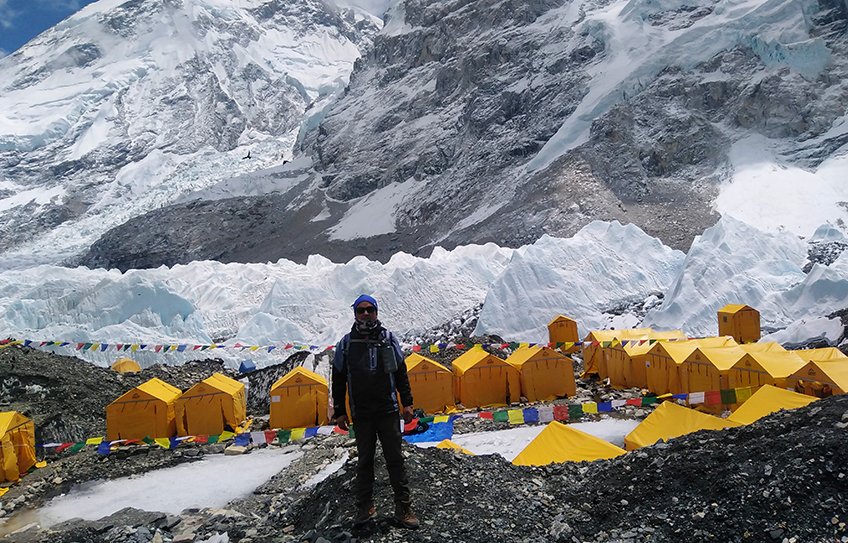
Highlights: Some of the best places to visit are Namche Bazaar, Tengboche Monastery, Everest Base Camp, and the famous Kala Patthar viewpoint.
Our guided trips focus on making sure you acclimatize properly, stay in comfortable lodges, and have experienced local guides to make sure you have a safe and fun trek.
-
Trekking to Gokyo Lakes and Gokyo Ri
The Gokyo Lakes trek is a beautiful and less crowded way to get to Everest Base Camp. This hike takes you to the beautiful Gokyo Valley, which has a number of turquoise glacial lakes and the Gokyo Ri viewpoint, which has a great view.
Great for: photographers and trekkers who want to see beautiful places
Length: 12 to 14 days long
Level of difficulty: moderate
Highlights: This path has some of the best views of Everest, Cho Oyu, Makalu, and the Ngozumpa Glacier, making it one of the most beautiful hikes in the Everest area.
-
The Everest Three Passes Trek is the best way to see Everest.
The Three Passes Trek is the best choice for trekkers who want to see and do everything on Everest. This challenging circuit trek brings together Everest Base Camp, Gokyo Lakes, and three high Himalayan passes into one amazing trip.
The Three High Passes are:
- Kongma La Pass (5,535 m), one of the highest passes within the three passes.
- Cho La Pass (5,420 m), Icy trail to the pass.
- Renjo La Pass (5,360 m), the most scenic pass with panoramic views.
Best for: People who have been trekking and want to have fun and adventure.
Time: 18 to 21 days
Difficulty Level: Challenging
This trek has fewer people, a variety of landscapes, and views that can’t be beat. Because of the high altitude, complicated route, and exposure to the weather, Himalaya Darshan Treks strongly suggests a group trek and trek with a guide for the Three Passes Trek.
Experiencing culture in the Everest area
The Sherpa people live in the Everest region, which is their home. Their culture, customs, and Buddhist beliefs impact life in the mountains every day.
Some important cultural experiences are:
- Going to Tengboche Monastery, which is the most important monastery in Khumbu
- Visiting Sherpa settlements, including Namche Bazaar, Khumjung, and Thame
- Seeing Mani walls, prayer flags, and chortens along the trails you hike
- Learning about the history of mountaineering and how Sherpas helped with expeditions to Everest and others
Longer treks like the Three Passes route, which goes through more isolated settlements, give you a broader cultural experience.
Difficulty Levels & Choosing the Right Trek
| Trek routes | Difficulty | Recommended For |
| Everest Base Camp trek | Moderate | All levels of trekkers |
| Gokyo Lake Trek | Moderate | Quiet and Scenic trekkers |
| Everest Three Passes Trek | Challenging | Experienced and physically fit trekkers |
The Altitude is the main challenge in the Everest region. Our itineraries priorities acclimatization days and gradual ascent to minimize the risk of altitude sickness.
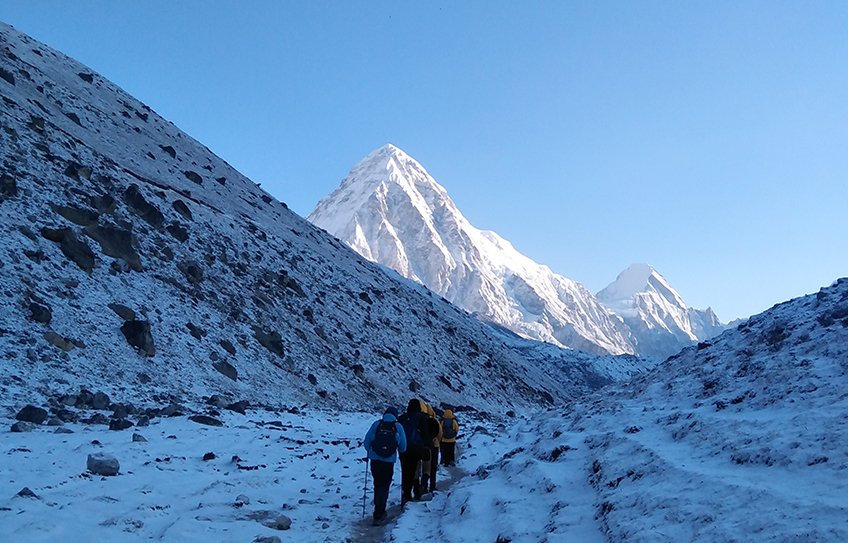
The Best Time to Hike in the Everest Region
The best times of year to trek in the Everest region are:
- Spring (March to May): stable weather, clear views, and flowers blooming
- Fall (September to November): Best visibility, dry weather, and the best time for trekking
We also offer winter treks for people who want to avoid crowds and have more fun.
Trekking permits and logistics
For all treks in the Everest region, you need:
- Permission to enter Sagarmatha National Park
- Permit for the Khumbu Pasang Lhamu Rural Municipality
HD Treks take care of all the permits, transportation, lodging, guides, and porters so you can concentrate on your trek.
Final Thoughts
The Everest region is far more than a single trail to Base Camp. Whether you choose the classic Everest Base Camp trek, the scenic Gokyo Lakes route, or the demanding Three Passes circuit, each journey offers a unique perspective of the Himalayas.
For those who want to go beyond Everest Base Camp, explore deeper valleys, cross high mountain passes, and experience the full diversity of the Khumbu, the Everest region rewards every step with unforgettable landscapes and cultural richness.
Plan Your Everest Region Trek Today
The Everest region offers something for every trekker—from classic routes to challenging high-pass adventures. If you want to go beyond Everest Base Camp and experience the full diversity of the Khumbu, we are here to help you choose the right trek and guide you every step of the way.
Contact us today to customize your Everest region trekking itinerary and start planning your Himalayan adventure.
Frequently Asked Questions
1. What is the finest trek in the Everest region that isn’t Everest Base Camp?
The Three Passes Trek is the best trek after the Everest Base Camp. It includes Everest Base Camp, Gokyo Lakes, and three high mountain passes in one entire circuit. This gives you more beauty, fewer people, and a more in-depth experience of the Everest region.
2. How hard is it to hike in the Everest area?
The difficulty of trekking in the Everest region varies from easy to hard. The Everest Base Camp trip is good for fit beginners, but the Three Passes trip is hard on the body because of the high altitude, long days of walking, and traversing mountain passes. It’s important to become used to the conditions before you go on any expedition.
3. When is the greatest time to go trekking in the Everest area?
The best times to hike in the Everest area are in the spring (March to May) and fall (September to November). The weather is constant, the views of the mountains are clear, and the hiking is easy at these times. Autumn is the most popular time of year since you can see so well.