FAQ for the Everest Three Passes Trek
Frequently Asked Questions for the Ultimate Everest Three Passes Trek: A Guide to an Adventure in 2026/27
Many people consider the Everest Three Passes Trek to be the hardest and most rewarding loop in Nepal’s Khumbu region. This high-altitude circuit trek is different from the usual Everest Base Camp (EBC) trip since it takes you off the established trail to tackle three famous high passes: Kongma La (5,535m), Cho La (5,420m), and Renjo La (5,360m).
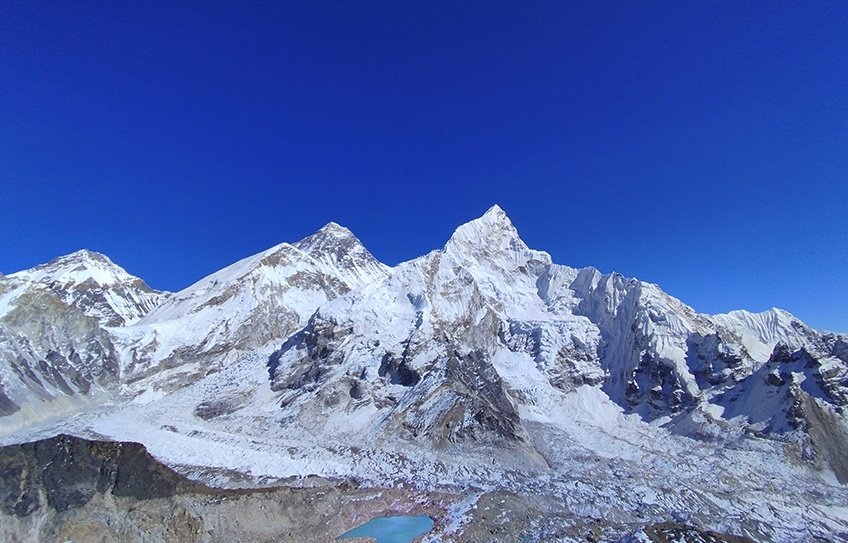
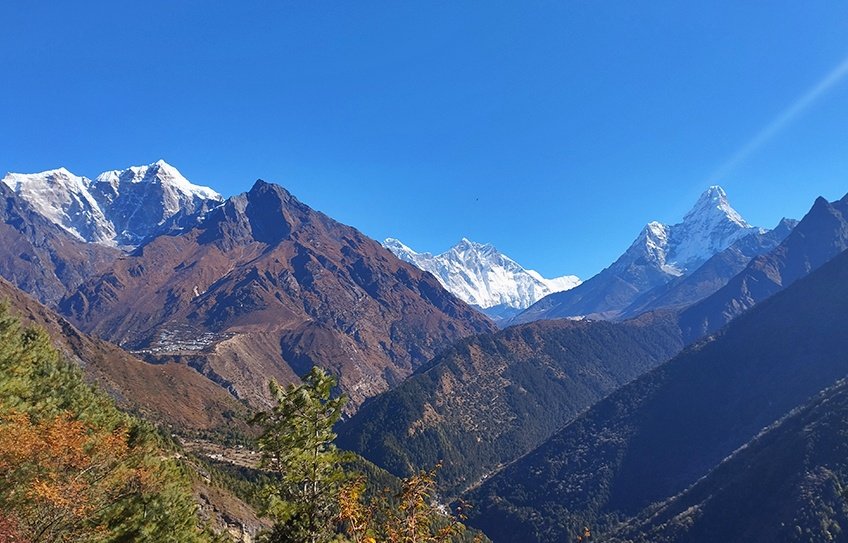
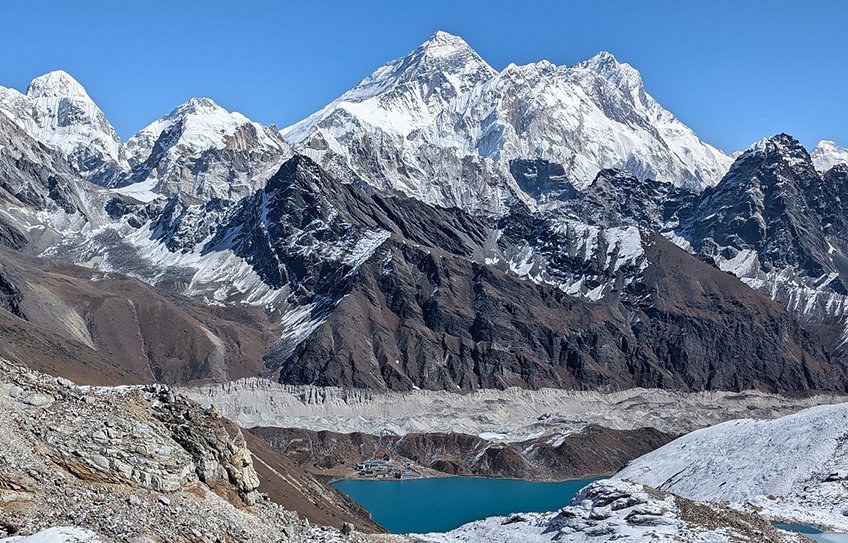
This 17- to 19-day route includes more than simply a trip to Base Camp. It also includes the turquoise Gokyo Lakes, the Ngozumpa Glacier (the longest glacier in the Himalayas), and famous vistas like Kala Patthar and Gokyo Ri. You can see real Sherpa culture in distant settlements like Thame and Marulung, no matter which way you hike. You’ll be standing in the shadow of four of the world’s tallest peaks: Mt. Everest, Lhotse, Makalu, and Cho Oyu.
The Three Passes journey is the best Himalayan trek for anyone seeking the ultimate Everest trekking experience in 2026/27.
Some of the common questions about the three passes treks are as follows:
1. How hard is it compared to the normal trip to Everest Base Camp (EBC)?
It is tough and challenging; the EBC route is well-known and goes in a straight line. The Three Passes Trek, on the other hand, goes across three high-altitude passes—Kongma La, Cho La Pass, and Renjo La—all of which are over 5,300m (17,388ft). You will have to deal with steeper hills, rockier ground, and more days spent at very high altitudes.
2. Which of the three passes is the most difficult?
Most hikers say that Kongma La (5,535m) is the hardest trip because the climb is steep, and crossing the Khumbu Glacier afterwards is hard. Trekkers generally say that Cho La (5,420m) is the most “technical” because it usually includes traversing a glacier that can be icy and slippery.
3. Do I require climbing gear like ropes or ice axes?
No, not usually. It’s a hiking trail, not a climbing trip. But if there is new snow or ice on the glacier, microspikes are highly suggested for the Cho La pass.
4. How long does the whole 3-pass trip take?
An average trip lasts between 17 and 19 days, and it also depends on your holiday time. This includes the requisite days of acclimatization in Dingboche and Namche Bazaar. The most common reason people fail at this hike is that they go too fast and get sick from the altitude.

5. When is the best time of year to visit?
Spring (March to May): The weather is stable, the temperatures are warmer, and the rhododendrons are in flower.
Autumn (September to November): The sky is the steadiest, and the sights are the clearest.
Don’t go in the winter (when deep snow typically blocks passages) or the monsoon (when there is heavy rain and clouds).
6. Is it okay for me to do this walk alone?
It is conceivable, but not a good idea. The trails over the passes aren’t as clear as the main Everest Base Camp Trail. If the fog rolls in or you are hurt, help is far away. It is significantly safer to have a guide or at least one trekking partner. Himalaya Darshan Treks highly recommends a group trek with a guide.
7. What kinds of permits do I need?
You need two main permits:
1. Khumbu Pasang Lhamu Rural Municipality Permit.
2. Entry Permit for Sagarmatha National Park.
8. What kind of training should I do?
Work on your leg strength and cardiovascular endurance. You should be able to hike for 6 to 8 hours with a load that weighs something. Stairs, long-distance running, and squats are your closest buddies throughout the 3–4 months of prep.
9. Is altitude sickness a big worry?
Yes. You will be over 5,000 meters for a few days. Following the “climb high, sleep low” approach and drinking enough water (4 litres a day) is very important. If your doctor tells you to, carry Diamox. If you get a headache or nausea that won’t go away, don’t ignore it. Listen to your body and tell your guide.
10. What is the cost of the trek?
The Everest Three Pass Trek Cost depends on your group size, the duration of days and the types of services. Himalaya Darshan Treks offer $1665 per person for 17 days full board package without porter.
11. What are the rooms like?
You will sleep in teahouses. These are simple lodges with rooms for two people. Facilities are less modern the higher you go (e.g., Gorakshep or Dzongla), and bathrooms are often shared. You should expect to spend more for things like hot baths, Wi-Fi, and charging your electronics.
12. Should I go clockwise or counterclockwise?
Most people who trek walk anti-clockwise, starting with Kongma La. This makes it easier to get used to the altitude when you go to the lower passes after visiting EBC. The circular path, which starts with Renjo La Pass, is steeper and has a larger risk of altitude problems at the beginning.
Last Thoughts:
A Full Circuit: You go to Everest Base Camp, the Gokyo Lakes, and Kala Patthar all in one trip, so you don’t have to go back and forth like on the classic route.
Beyond the Crowds: This hike takes you into the quiet Thame Valley and along ridges that aren’t often used, giving you a more real and raw experience of Sherpa culture.
Incomparable Views: From here, you can see four 8,000-meter peaks: Mount Everest, Lhotse, Makalu, and Cho Oyu.
Personal Achievement: If you prefer to go on adventure treks, finishing the “Triple Crown” of the Himalayas is a big thing. This is an accomplishment that you will always be proud of. Himalaya Darshan Treks are always ready to help you fulfil your dream of the high Himalayas.