
Gokyo Lakes Trek Blog
Escape the EBC crowds! Discover the ultimate Gokyo Lakes guide for 2026/27. Includes new permit costs, hidden spots like the Fifth Lake, and tips for sustainable trekking.
The Gokyo Lakes Trek is no longer just the “alternative” to Everest Base Camp (EBC); it is now a premier destination for those seeking solitude, spiritual energy, and the most expansive panoramic views in the Khumbu region. Whether you’re planning for the spring blooms of 2026/27 or the crisp autumn of 2026/27, this guide covers everything from the new mandatory guide rules to the hidden “Fifth Lake.”
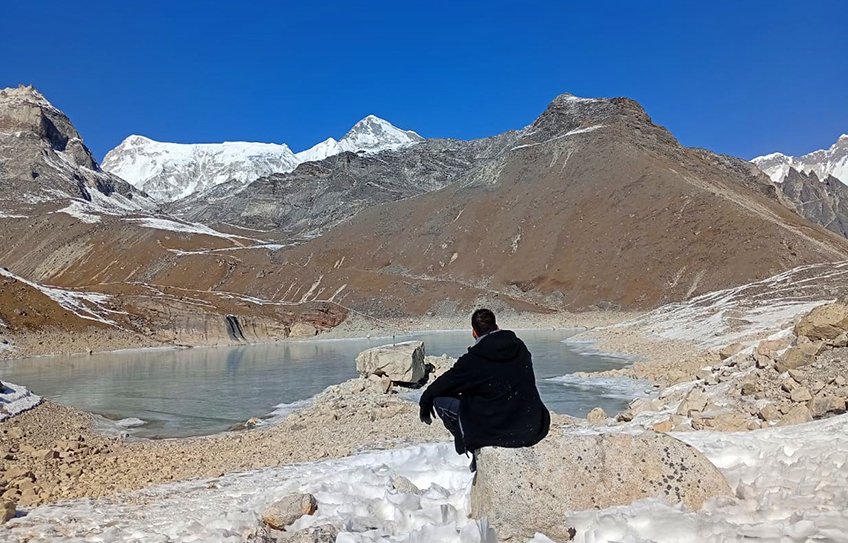
We hope you can get some basic information about the Gokyo Lake Trek from our Gokyo Lakes Trek Blog. It will be very useful information to manage your Everest Gokyo Lake Trek. Gokyo Lake Trekking is one of the most unforgettable sights of Nepal. The shining, perfect blue waters of the Gokyo Lake are an attractive part of the scenery of Gokyo Lakes, Nepal. They accommodate the highest freshwater lake in the world, situated at around 4,870 meters. The Gokyo Lake Trek is perfect for people who eagerly want to trek in the Everest region but also want to enjoy a greater variety of views. On the other hand, you can fully enjoy your holiday on this trek.
Gokyo Lake Trek Highlights: The “Unmissable” List
Modern trekkers are looking for more than just a walk. Highlight these specific experiences:
Gokyo Ri Summit (5,357 m): Unlike EBC, this viewpoint offers a 360-degree panorama where you can see Everest, Lhotse, Makalu, and Cho Oyu simultaneously.
The Fifth Sacred Lake: Most people only see three. Challenge your readers to hike to the Fifth Lake (Thonak Tso) for the most secluded and epic view of Everest’s North Face.
Ngozumpa Glacier: Walk next to the longest glacier in the Himalayas. The moraine, which is huge and looks like the moon, is very different from the blue lakes.
The Renjo La Pass (Optional): If you’re trekking in 2027, crossing this pass gives you a different way to get out that doesn’t require backtracking and lets you see the whole Gokyo Valley from above.
Real Sherpa Culture: The teahouse experience in villages like Dole and Machhermo feels more personal and traditional on the Gokyo trail than on the main EBC route, which is more “commercial.”
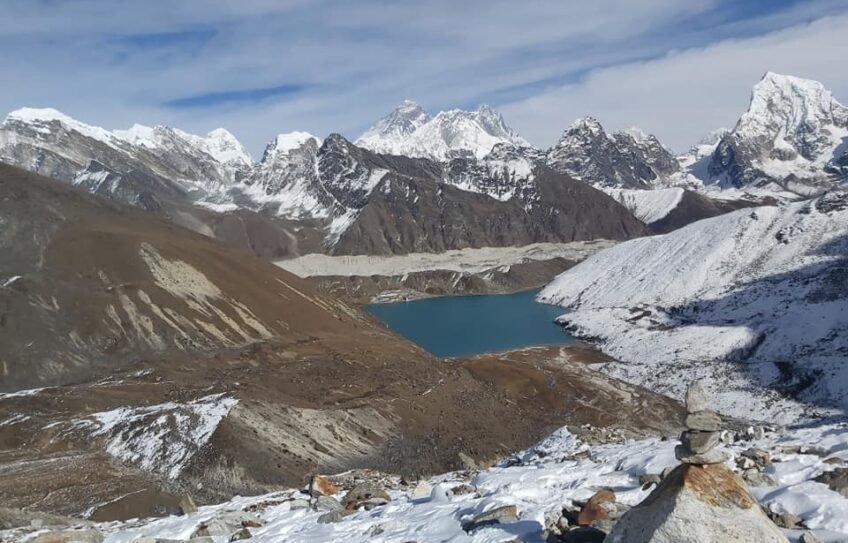 Incredible view from Renjo La pass (5360 m)
Why pick Gokyo Lakes instead of EBC?
The EBC trail is famous, but the Gokyo Valley gives you a more personal experience in the Himalayas.
- The Big Four: From the top of Gokyo Ri, you can see all four 8,000-meter peaks at once: Everest, Lhotse, Makalu, and Cho Oyu.
- The Lakes: Six main turquoise lakes that are holy to both Buddhists and Hindus.
- Ngozumpa Glacier: Walk next to the longest glacier in the Himalayas.
- Crowd Control: Trends for 2026/27 show a move toward “Quiet Trails,” which makes Gokyo the best choice for travelers who want to be mindful.
Flights and permits are important logistics for 2026/27.
The “Ramechhap Factor”
In 2026/27, most flights to Lukla will continue to depart from Manthali Airport (Ramechhap) during the busiest times of the year (March to May and October to November) to prevent overcrowding in Kathmandu.
New Permit Regulations
For 2026, Himalaya Darshan Treks will manage and handle your permits as part of the mandatory guide requirement.
- Khumbu Pasang Lhamu Rural Municipality Permit: ~NPR 3,000.
- Sagarmatha National Park Entry Permit: ~NPR 3,000.
Hike to Gokyo Ri (5,360 m)
However, the Everest Gokyo Lake Trek is a scenic journey to the attractive Gokyo lakes and a hike to Gokyo Ri, 5,360. It is one of the most amazing viewpoints of the Gokyo Lake Trek. You can enjoy the incredible view of Mt. Everest at 8848 m and Mt. Makalu at 8463 m. Similarly, you can see Mt. Lhotse (8414 m) and Cho Oyu (8201 m) from this viewpoint. As well as many other beautiful mountains, there is a wonderful view of Gokyo Lakes and the Ngazumba glacier from the Gokyo Peak (5,360 m). The Gokyo Valley Trek is different from the classical and scenic trek of the Everest region.
Trekking Trail Through the Gokyo Lakes
Gokyo Cho la Pass EBC Trek
From Gokyo Lake, if you have enough time during your holiday, you can continue your journey to Chola Pass at 5420 m. And you can continue to your final destination, Everest Base Camp, 5363 m. The Gokyo Chola Pass Trek combines the beautiful Gokyo Valley Trek with the panorama of the turquoise Glacial Lake of Gokyo. Especially, it winds through the rocky trails of Chola Pass (5,420 m) to reach the Everest Base Camp Trek and Kalapathar Peak (5,545 m). In other words, it is the most suitable trekking route for your Everest Adventure Trek.
Gokyo Renjo La Pass 5,360 m
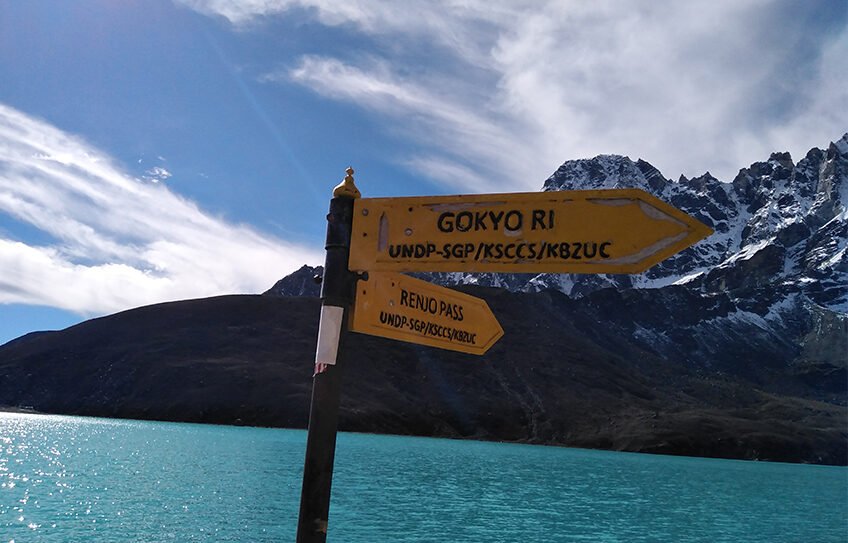
Likewise, from the Gokyo lake, you can continue your trek to Renjola Pass at 5360 m (one of the best viewpoints in the Everest region). The Gokyo Lake trek connects the classic Everest Base Camp route with the Gokyo Valley and remote Khumbu villages en route to the Everest Three Passes trek route. It has the best views of Mount Everest, Lhotse, Makalu, Cho Oyu, and Ama Dablam.
 We at Himalaya Darshan Treks provide experienced and professional trekking guides and porters for your travel/trekking in Nepal.
The Best Time to Trek (Seasonality for 2026/27)
In the Himalayas, timing is everything. For the 2026 and 2027 seasons, aim to schedule your visit during these two optimal periods:
Fall, from September to November, is the ideal time to visit. Why: The dust is washed away after the monsoon, which makes the lakes look the clearest.
Highlights: You will likely encounter local festivals, such as Mani Rimdu (October/November), which will lend your trek a deeper cultural significance.
Spring (March to May) is the season when flowers bloom. Why: Temperatures are slightly warmer during the day.
Highlights: The lower trails are painted red and pink with blooming rhododendron forests, and you’ll see the lakes begin to thaw from their winter ice.
Winter (Dec–Feb): Only for the brave. Expect to encounter frozen lakes and temperatures that can drop to between -15°C and -20°C. Many teahouses may be closed. However, during these months, experienced hikers can also undertake treks.
Gokyo Lake Trek Guide and Porters
- For your trekking team of 1–6 people, we provide 1 trekking guide and 1 porter for 2 trekkers.
- For your trekking group of 6 to 8 people, we provide 1 trekking guide, 1 assistant guide, and 1 porter for 2 trekkers.
- For your trekking group of 8–12 people, we provide 1 trekking guide, 2 assistant guides, and 1 porter for 2 trekkers.
Gokyo Lake Trek: Difficulty Level
Level: Moderate to Challenging
You don’t have to be a mountaineer, but you shouldn’t just “wing it.” Here is the list:
Physical Demand: You will be walking on rocky, uneven ground for 5 to 7 hours a day. The climb from Namche to Gokyo is a steady one that will test your heart and lungs.
Technicality: The standard route doesn’t need any ropes or crampons. The Gokyo Ri climb, on the other hand, is very steep and needs a slow, steady pace. In the winter, it is better to bring spikes when there is snow on the trail to climb Gokyo Ri.
The Altitude Factor: The elevation is what makes it difficult. You sleep at least four nights above 4,000 m, where the air is thin.
Safety Tip for 2026: Make sure your trip includes at least two nights in Namche Bazaar (3,440 m) so you can get used to the altitude.
“Leave No Trace” when you pack for the future
A big push for plastic-free trekking is happening in 2026.
- Water: Use purification tablets or a LifeStraw. Don’t buy bottled water while you’re hiking.
- Power: Bring a solar power bank with a lot of capacity. Charging fees at teahouses has gone up (expect to pay $3 to $5 per charge).
- Gear: To help the local circular economy, rent high-quality down jackets and sleeping bags that can handle temperatures as low as -20°C in Thamel. If you do not have your own equipment and need to rent, we will assist you with the rental process.
Last Thoughts
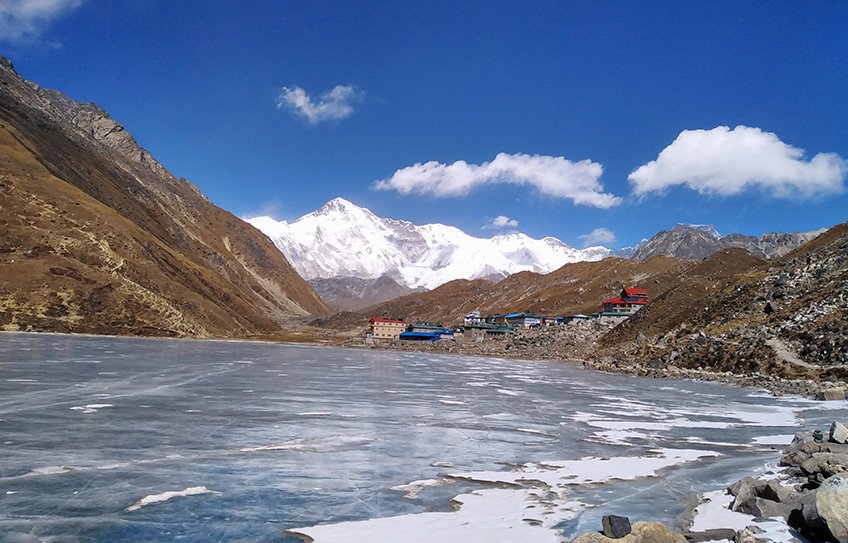
The Gokyo Lakes Trek is still one of the most beautiful high-altitude hikes in the world. It has a unique combination of raw Himalayan power and calm, glass-like beauty. Things have changed as we get ready for the trekking season of 2026/27. The trail is better than ever, and safety is a top priority now that professional guides are required and tourism is moving toward being more environmentally friendly and having less of an impact.
When you stand at the edge of the “Himalayan Mirrors,” you’re not just looking at the view; you’re also a guest in a fragile ecosystem that needs to be respected and gives you spiritual clarity in return. This hike will give you a deep sense of solitude that the main Everest trails don’t always have. Whether you’re chasing the sunrise over the Ngozumpa Glacier or finding peace by the sacred Fourth Lake, you’ll feel alone.
It’s the perfect time for you to see this beautiful turquoise paradise. By choosing to trek in 2026 or 2027, you are helping to start a new era of responsible exploration in the Himalayas. This choice will help maintain the clarity of these waters for many years to come.
Gokyo Lake Trek Itinerary
In particular, we design the Okyo Lake Trek itinerary according to your holiday time and your interests, as per your request. Himalaya Darshan Treks offers the Gokyo Lake Trek 13 Days package at the same time, which allows you to travel around the wonderful destination in Gokyo Valley.
Day 01: Flight from Kathmandu to Lukla (2,850 m) and trek to Phakding (2,610 m).
2. Trek to Namche Bazaar (3,456 m).
3, Acclimatization day, hiking to Thamu/Thame. Thamu is a nice Sherpa village that serves as the route for the adventure high pass of Trasi Lapcha and the trekking trail to the Renjo La Pass Trek.
4. Trek to Mong La.
5. Trek to Dole (4,200 m).
6. Trek to Machhermo (4,470 m).
7. Trek to Gokyo Lake (4,790 m).
8. Early morning hiking to Gokyo Ri (5,360 m), at the same time enjoying the incredible mountain view, beautiful Gokyo Lake view, glacier, and glacial lakes; stay at the same hotel.
9. Trek back to Luza (4,360 meters).
10. Trek to Phortse Tenga (3,810 m).
11. Trek to Namche Bazaar (3,440 m) via Mong La.
12. Trek to Lukla (2,850 m).
13. Fly back to Kathmandu (1,350 m) and arrange for hotel transfers.
Furthermore, if you feel that our Gokyo Lakes Trek Blog does not provide sufficient information, please let us know. If you need any additional information about your Gokyo Lake trek, please feel free to get in touch. You are welcome to get in touch.