
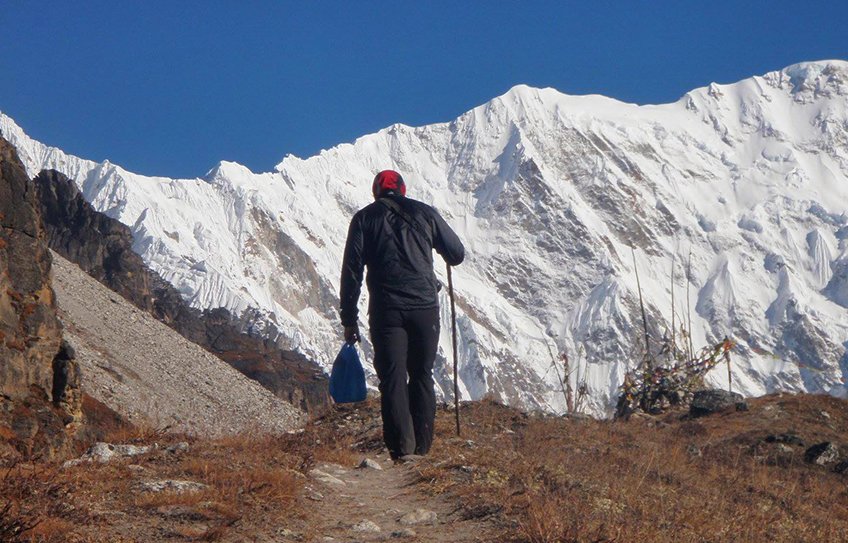
Complete Guide to Kanchenjunga Region Trek Nepal
Want to go on an exciting excursion in the Himalayas that takes you far away from other people? You should go to the Kanchenjunga Region Trek in Nepal. This well-known hike brings you to the base of Mount Kanchenjunga, which is 8,586 meters (28,169 feet) high and is the third-highest peak in the world. It begins in the east of Nepal. Kanchenjunga is distinct from the famous pathways of Everest and Annapurna because it includes pristine landscapes, a mix of cultures, and views that will take your breath away. This whole guide for 2026/27 will teach you everything you need to know, from exact Kanchenjunga trip maps and how to get permission to go there to a complete explanation of expenses, crucial difficulty ratings, and what to carry. Get ready to learn why the Kanchenjunga trek is still one of Nepal’s best-kept secrets.
Why Choose Kanchenjunga Trekking Adventure?
The Kanchenjunga excursion isn’t simply a hike; it’s an opportunity to view a region of the Himalayas that people haven’t touched. You’ll travel through gorgeous rhododendron forests and over high mountain passes. Along the way, you’ll learn about the varied customs of the Limbu, Rai, and Sherpa people. This long walk in the middle of nowhere has:
- On clear days, you can see Kanchenjunga, Makalu, Everest, and Lhotse like no other.
- Biodiversity Hotspot: This area is home to many different kinds of wildlife, including the uncommon red panda and snow leopard.
- Getting to know local people and how they live is what cultural immersion is all about.
- Off the Beaten Path: This hike is much wilder and quieter than other tourist hikes.
- You can go to both the North Kanchenjunga Base Camp (Pangpema, 5,143m) and the South Kanchenjunga Base Camp (Oktang, 4,730m).
- Enjoy seeing the colourful forest with rhododendron bloom in the lower part of the region, from March to May.
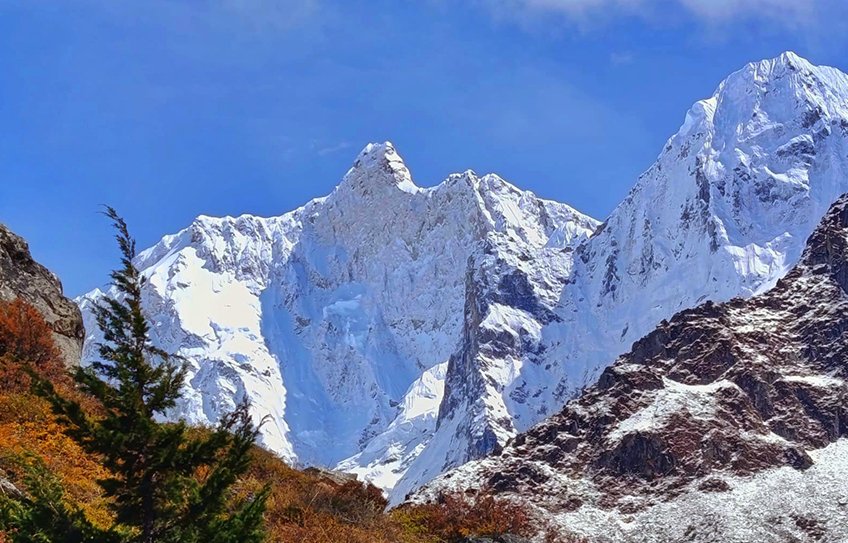
Content List: For Complete Guide to Kanchenjunga Region Trek Nepal
- Kanchenjunga Trek Permit
- Trekking routes in the Kanchenjunga region
- Kanchenjunga Trek Side Trips
- Ghunsa Village, Taplejung
- Side trips from Khambachen
- Complete Guide to Kanchenjunga Trek Nepal
- KBC Trek Itinerary
- KBC Trek blog
- Kanchenjunga Circuit trek itinerary.
- Kanchenjunga short trek
Kanchenjunga Trek Map and Itinerary (2026)
You need to know how to read the Kanchenjunga trek map to organize your trip. The Kanchenjunga base camp trek is the most popular and rewarding way to go. It normally takes 19 to 21 days, which includes the time it takes to get to and from Kathmandu. Here is a broad timetable for 2026 that includes the most important things and is strongly recommended:
Some of the most important stations on the journey include Ilam, Taplejung, Ghunsa, Kambachen, Lhonak, Pangpema (North Base Camp), Sele La Pass, Tseram, Oktang (South Base Camp), Yamphudin and Kanyam.
Note: It is possible to start clockwise and anticlockwise. It depends on your choice. We, Himalaya Darshan Treks, focus on clockwise routes to the Kanchenjunga circuit trek.
Kanchenjunga Trek Difficulty:
People report that the hike to Kanchenjunga is challenging to very hard. This will be harder for people who are just starting the mountain adventure.
Height: North Base Camp is more than 5,143m (16,873ft) in elevation, hence you are quite likely to get Acute Mountain Sickness (AMS). Getting acclimated to the new place is really crucial.
Length: A long trip (around 20 days) requires both physical and mental power to keep going.
Remote Terrain: Trails can be rocky, steep, and open, and they may have river crossings and passes that are covered with snow.
The weather can change fast, and it can snow, rain, and wind quite severely at higher elevations.
Limited Infrastructure: The teahouse doesn’t have a lot of amenities in some places, and it can be hard to seek help because it’s so far away.
To whom is this adventure suitable?
- Trekkers who are used to hiking at high altitudes and have done it before.
- Suitable for good physical fitness and experienced trekkers.
- Anyone who wants to go on a real outdoor adventure with a few other people around.
Training Tip: Start a tight training program that focuses on strength, endurance, and cardio at least three to six months before the event. Go on long hikes with a hefty pack.
The Kanchenjunga Trek Packing List for 2026 is very important.
It’s really vital to pack carefully for the Kanchenjunga Base Camp trip. Pay attention to your layers, your gear, and how much your pack weighs.
You can visit our packing list link here: Trekking Gear
The Best Time to Kanchenjunga trek Nepal
The best periods to hike Kanchenjunga are in the spring before the monsoon and in the fall after the monsoon.
From March until May:
Pros: The weather is nicer at lower altitudes, the skies are clear, and the rhododendrons are in bloom, especially in early spring.
Cons: The views can get foggy later in the spring, and there may be showers before the monsoon in May.
Cooler at higher elevations, but not too cold at lower elevations.
From September to November:
Pros: This is arguably the best time of year. The weather is always nice, the air is fresh, the skies are clear, and you can see the Himalayas clearly.
Cons: More people hiking (but still a lot less than Everest or Annapurna), and the nights get colder as November goes on.
Temperature: The days are nice, but the evenings and mornings are frigid at high altitudes.
Note: Don’t go in the summer (June to August) because of the heavy rain, leeches, and slippery roads.
Things You Should Know About Kanchenjunga Trek Permits
You need to get the necessary Kanchenjunga trek permits because you’ll be heading into a restricted area.
Foreigners need a Restricted Area Permit (RAP) from the Department of Immigration to enter the Kanchenjunga region.
Important: You can only hike with a registered guide and at least two trekkers. You can’t hike alone in the area that is off-limits.
How to Get It: Himalaya Darshan Treks will take care of all things for you.
Kanchenjunga Conservation Area Project (KCAP) Entry Permit.
Always carry copies of your passport, visa, and permits with you, and keep the originals safe. Make sure to verify the most recent guidelines for 2026 well in advance because they can change. Your guide can do this.
Safety and getting used to the Kanchenjunga Trek
Safety is the most important thing on the Kanchenjunga Base Camp excursion.
Getting used to the weather: Follow your guide’s instructions properly. Put rest days in your calendar, increase up steadily, and “climb high, sleep low.” To assist your body in adjusting to the new environment, drink a lot of water (3 to 5 litres a day).
Guide and Porter: When you hike in the restricted area, you need to have a licensed guide with you. This is for your safety and to help you learn about the world around you. Porters help you carry less, which means you won’t get as weary.
Travel Insurance: Check to see if your policy covers high-altitude trekking and getting you out of a tough spot by helicopter.
First Aid: Bring a complete personal first-aid kit and know how to use it.
Communication: There aren’t many satellite phones, in tiny villages, local SIM cards might work. Let your family and friends know what you want to do.
Final Thoughts
In conclusion, the Kanchenjunga Trek Nepal is a once-in-a-lifetime adventure for people who want to have fun, be alone, and see the most stunning natural surroundings. Getting there is really hard and takes a lot of planning, but the rewards are huge: breathtaking views of the world’s third-highest mountain, rich cultural experiences, and a strong sense of success.
If you carefully plan your Kanchenjunga trek map, budget for the cost, and know how hard it will be, you are well on your way to viewing one of the Himalayas’ most stunning and pristine beauties.
Are you ready to begin your Kanchenjunga journey? You can start planning your Kanchenjunga Circuit Trek for 2026 right now by calling Himalaya Darshan Treks, a government-registered local trekking company in Nepal and the best Kanchenjunga trek organizer. Feel free to get in touch.
Frequently Asked Questions: Information on the Kanchenjunga Trek
- Is it harder to go to Kanchenjunga than to Everest Base Camp?
Most of the time, yes. The Kanchenjunga trip is tougher to travel to, less well-known, longer, and has rougher pathways than the Everest Base Camp (EBC) ascent.
- Can I hike Kanchenjunga by myself?
It is not possible, you can’t hike alone. You have to be with a registered guide and at least two other individuals because the area is off-limits.
- What is the highest point on the way to Kanchenjunga?
Most people who walk to Pangpema (Kanchenjunga North Base Camp) go there. It is 5,143 meters (16,873 feet) high.
- What about a place to stay and food?
You can stay in simple teahouses or lodges, which usually feature shared rooms and few amenities. The food is simple, mostly Nepalese dal bhat, noodles, and a few continental options.
- Do I need a different permit to visit the Kanchenjunga region?
Of course, you need two different types of permits to visit kanchenjunga like the Kanchenjunga Restricted Area Permit (RAP) and the Kanchenjunga Conservation Area Permit (KCAP). So you need RAP and KCAP entry permits